International
ESDAPC proposes an international policy comprising key strategies and specific strategies for the organization and implementation of international cooperation projects aimed at achieving the internationalization and modernization of our institution.
The key international strategies agreed upon by our Institution are:
1.- To forge strategic alliances and participate in projects between higher education institutions for cooperation and the transfer of knowledge and best practices.
2.- To establish links with business institutions and higher education institutions specializing in the field of design.
3.- To participate with other institutions and companies in international multilateral projects to foster knowledge exchange and improve linguistic competencies.
4.- To promote the internationalization of our Institution through the encouragement of various types of mobility.
5.- To seek cultural diversity in the selection of countries for mobility, both at a European level and from other regions of the world, with a special emphasis on international cooperation with countries in our Mediterranean region and Ibero-American countries.
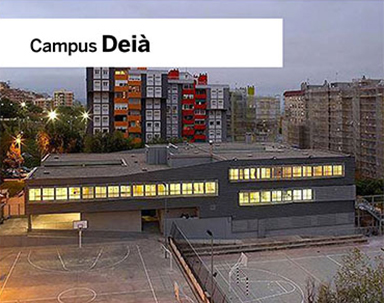
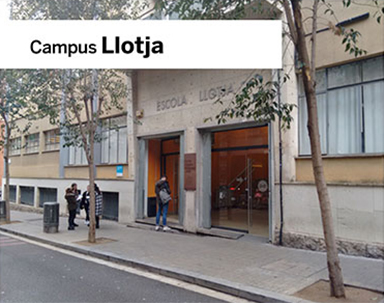
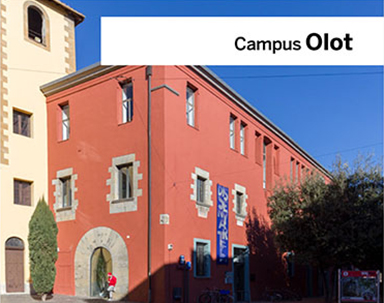
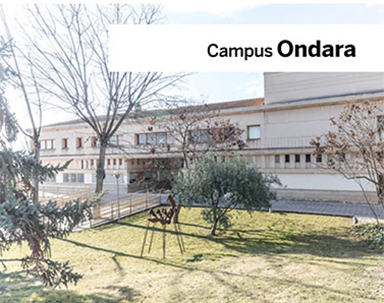
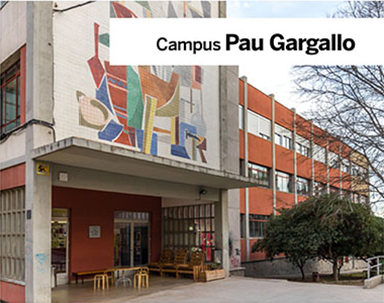
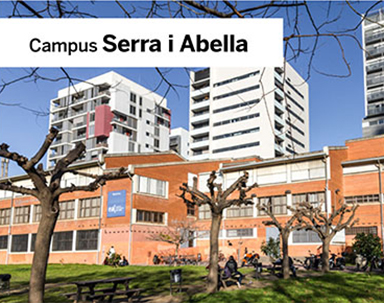
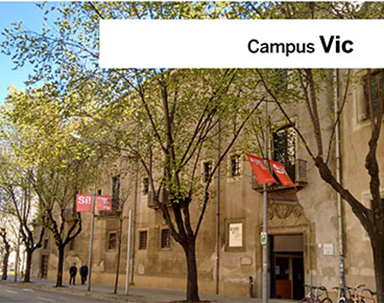
6.- To achieve broad and balanced mobility for incoming and outgoing users based on the concept of proportionality among ESDAPC’s different campuses.
Regarding the strategies for the organization and implementation of international cooperation projects (both European and non-European) for studies and internships in relation to projects implemented under the Program, it should be noted that ESDAPC, since obtaining the Erasmus Charter in 2012, has initiated and encouraged the signing of bilateral collaboration agreements with European and non-European higher education institutions specializing in the teaching of plastic arts and design. We have signed inter-institutional agreements based on the coherence of curricular project competencies and the compatibility and complementarity of learning methods and objectives. Thus, we have established a network of over 50 partner institutions distributed across 15 countries in Europe and South America.
Similarly, our Institution plans to increase its presence in associations and networks related to the world of arts and design, such as CUMULUS, BEDA, or ELIA.
CUMULUS is an association of art, design, and communication schools that currently has approximately 187 members from 46 countries.
BEDA is a European design office that promotes design as a tool for industrial and social innovation.
ELIA is a European network for exchange and professional development in higher arts education with partner networks worldwide, comprising over 260 members in 48 countries.
Furthermore, ESDAPC aims to participate in research and development programs (joint master’s degrees with companies) and to encourage these professional research projects. Likewise, it seeks to participate in co-creation projects, design for all, sustainability, and interventions in specific social environments.
Finally, and specifically regarding mobility programs, we intend to conduct annual monitoring of reports, compliance with inter-institutional agreements, and mobility indicators in order to improve the organizational strategies of international projects.
Regarding the impact of our participation in the Program on ESDAPC, we expect to:
1.- Increase professional, social, and intercultural opportunities for the entire educational community.
2.- Increase the graduation rate by 5% annually, as stated in the study verification document submitted to the University Quality Agency (AQU).
3.- Achieve an annual increase of 2% in the number of students and teaching and non-teaching staff who complete a mobility training period.
4.- Contribute to the employability of our students by training them in design management and professionalization through their incorporation into public and private initiatives that promote association in innovation and business projects.
5.- Contribute to local development as members of a network of institutions and services that position Barcelona and Catalonia as reference points in arts and design education.
6.- Manage a quality assurance system that allows for monitoring, analysis, and the establishment of improvement mechanisms following AQU guidelines. Likewise, to ensure the transparency of this quality system.